Everyday evidence becomes a living institutional memory.
People create the intelligence. Evalent organises a careful record and synthesises a clear, trustworthy current picture, so the right people can make informed decisions, from classroom to board. Staff decide. Understanding deepens instead of resetting every September.
Transitions without amnesia
Trapped in inboxes. Lost at transitions. Reset when a teacher leaves.
Schools already hold deep intelligence about students, in classrooms, conversations, assessments, specialist notes, family context, and student reflection. Then it fragments. Invisible to the next adult who needs it. Paid for again every September.
01 / 04
Reset when a teacher leaves
Classroom judgement does not outlast the person who held it. The next adult cannot see what the school already knew.
From school leaders
The school already knows. The hard part is keeping that knowing alive.
“A child should not have to be known all over again every time a teacher changes.”
Ahmed E.
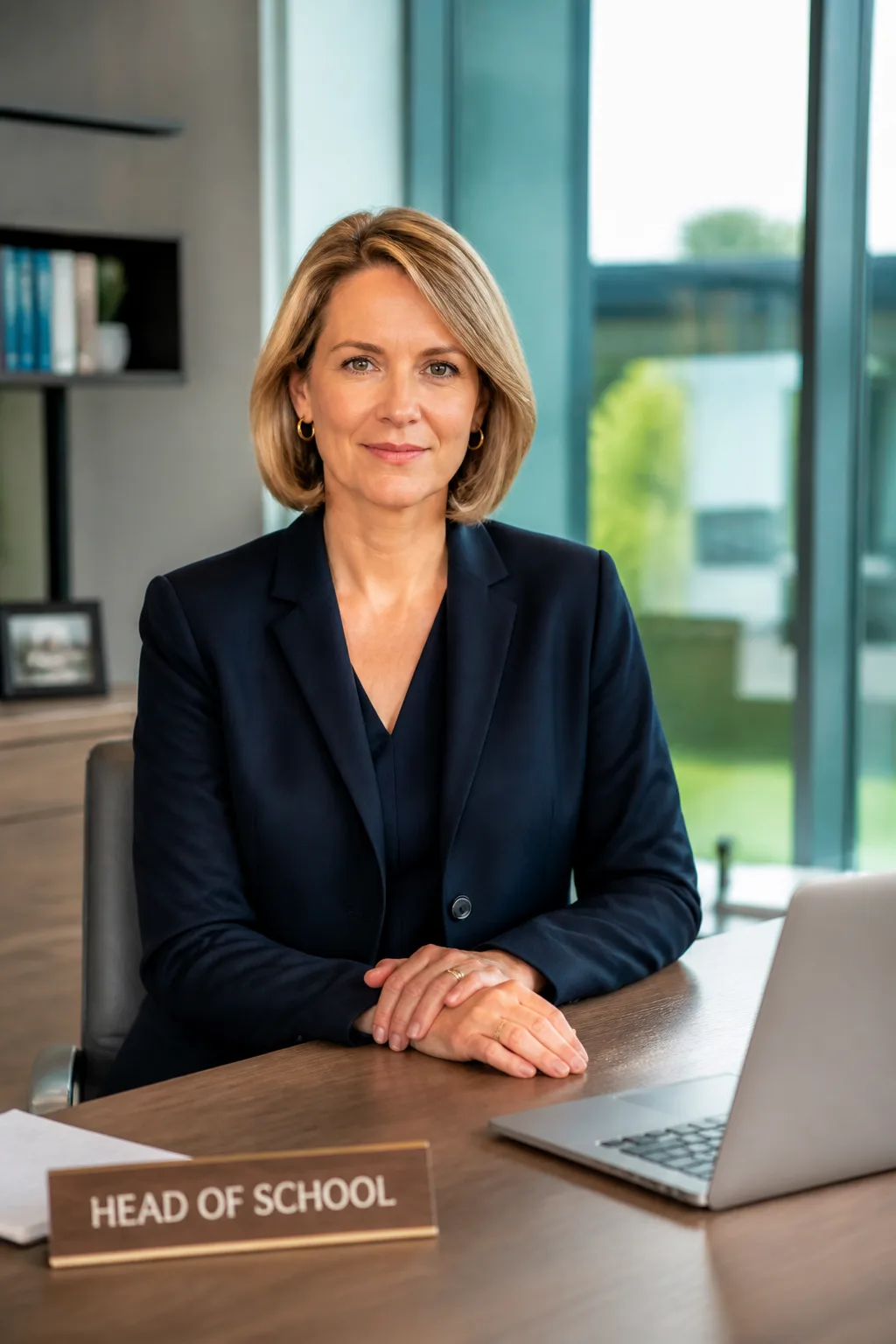
Head of School
KSA
How the record forms
Start with the evidence your school already produces.
Documents, notes, student voice, and authorised family context become dated observations, matched to the right person. Nothing is guessed into permanence.
Gather
The intelligence already lives in the building.
Notes, voice, specialist files, family context, fragmented until the school holds them as memory.
Day one. Almost nothing written down yet.
One student, year by year
What you know on day one.
On arrival there is almost nothing on file. What staff write now is what the next teacher can actually use.
Illustrative demo · ephemeral audio, not evidence
Year 7 · Arrival
VStudent voice
Wants to belong in the room without feeling on show.
TTeacher note
Quietly capable, needs time before she speaks in class.
AAssessment
Languages rising; maths steadier with support.
SSpecialist
Learning support on file, only for people who need it.
FFamily
What the family asked us to carry into the next step.
Grade 10 Form A
Class lens
Walk into the room already briefed.
The class lens turns the same student evidence into one reading of the room: headline, priorities, evidence, teaching moves, and who to notice.
Evalent Intelligence · Class · Homeroom
ListenPresentSharePrint PDFRefresh Briefing
Class · Homeroom
A class with real academic strengths in Humanities and Arts sitting alongside a consistent independence and confidence gap that cuts across several students and subjects.
Get a recorded voice for François Dubois, Meera Khan, and Ada Nair.
Give Elena Hassan a structured chance to show high-quality output, her written work is stronger than the grade suggests.
In Mathematics, build independence into investigations rather than scaffolding every step.
1
The class
What the evidence shows
A small class of seven with a mean of 5.2 / 7. Humanities and Arts are genuine strengths. Mathematics and Physical & Health Education sit lower, and independence / confidence runs as a class-wide pattern across several subjects.
5.2 / 7Class mean
5Students carrying a low grade
7Students graded
Mathematics
4.7
P&HE
4.7
Design
5.1
Language Acq.
5.3
Arts
5.7
Lang. & Lit.
5.9
Sciences
6.0
Ind. & Soc.
6.2
2
Teaching
What the patterns suggest is worth attention
1
Build independence into investigations
Several students need practice starting without every step scaffolded, especially in Mathematics.
2
Let Elena Hassan show her best work on purpose
High-quality output sits next to lower grades, give a structured chance for that strength to count.
3
Protect Individuals & Societies as a class strength
Mean 6.2, keep the stretch and the talk-rich habits that are working here.
4
Watch the Math and P&HE concern cluster
Low grades concentrate there, treat it as a provision pattern, not one-off incidents.
By subject
Ind. & SocietiesGenuine class strength, confident discussion and secure attainment.
Lang. & LiteratureStrong written work overall; oral confidence still uneven.
ArtsHigh engagement and secure outcomes, energy to build on.
MathematicsIndependence gap shows most clearly; concern grades cluster here.
P&HEConfidence and risk-taking sit lower than the rest of the timetable.
3
Individuals
Students the data flags
Ada NairProfile →
What the evidence shows
Stronger in Humanities than Mathematics; voice coverage still thin.
Worth considering
Get a recorded voice in, partner talk first before whole-class ask.
Elena HassanProfile →
What the evidence shows
High-quality output alongside lower reported grades in places.
Worth considering
Give a structured chance for that strength to show, do not let the grade tell the whole story.
François DuboisProfile →
What the evidence shows
No recent recorded voice; independence flagged across investigations.
Worth considering
Invite a check-in. Look for barriers before assuming disengagement.
Meera KhanProfile →
What the evidence shows
Carrying concern grades; confidence gap shows in Math and P&HE.
Worth considering
Reduce cold-call pressure; build short wins into practical tasks.
Section lens · Secondary
What leadership needs to know.
The section lens lifts class evidence into a secondary-school read: performance, institutional health, and where to invest, review, or protect.
Evalent Intelligence · Section · Principal
ListenPresentSharePrint PDFRefresh Briefing
What leadership needs to know
Grades 9–10 do not have enough learning support capacity. That is the main bottleneck for the secondary school.
612Students
5.1Average grade
14%With a concern
3Priorities
Strategic priorities
Invest
Increase learning support for Grades 9–10
Learning support · this also goes up to the Head and the Board
Review
Check Mathematics concern concentration across year groups
Subject risk held above any single classroom
Protect
Protect Humanities and Arts strength in the mid years
Keep what is already working while capacity is rebuilt
1
Performance
How the secondary school is performing
Section mean sits at 5.1. Attainment holds in Humanities and Arts; Mathematics and learning-support demand concentrate in Grades 9–10. Fourteen percent of students carry a concern grade.
G9–10Support bottleneck
5.1Section mean
35%Maths concern (sample)
5 YGsIn the secondary
2
Institutional health
What is working, and what is failing
Working, protect this
Humanities and Arts outcomes stay strong through the mid years.
Homeroom briefings are naming teaching moves with a clear why.
Failing, leadership risk
Learning support capacity in Grades 9–10 cannot meet demand.
Mathematics concern grades recur across year groups.
5
Recommendation
What leadership should prioritise
1 · Invest in learning support capacity for Grades 9–10, own the plan, owner, and timeline.
2 · Review Mathematics provision as a section pattern, not isolated classroom incidents.
3 · Protect mid-year Humanities/Arts strength while capacity is rebuilt.
4 · Feed Head and Board with the same priorities: Spend · Check · Protect.
Who needs to see what
Know the student before you teach them.
Same notes and assessments. Different screens for different jobs: from one student, to a class, to the year group, up to the Head, Board, and Finance.
Evalent Intelligence · Student
Student profile
Maya Chen
Year 10 · Teacher · Pastoral · SENCO · Leadership
VoiceTeacher ObsAssessmentSpecialistFamily
SharePrintPresent
Maya’s Journey
“I want to lead discussion without feeling on show.”
What matters most right now
She writes well. Speaking up is harder unless she has time to prepare.
Her own check-in and teacher notes say the same thing, so you can trust it.
Try tomorrow
Let her talk with a partner first. Avoid putting her on the spot in front of the whole class.
Support on file
Learning support is recorded. Only staff who need it should see the detail.
No slideshow of a named student. You can listen, share the link, or print a handover.
Class · Homeroom
Grade 10 Form A
Homeroom · Ms Okonkwo · 2025–26
SEN 3EAL 2voice 18support 4
ListenPresentSharePrint
What matters most for this class
Lively in practical work. The strongest students need harder stretch. Writing is where energy drops.
What the notes show
Lots of energy in practical subjects. Quieter when the task is extended writing.
What to try in teaching
1 · Plan a stretch task every two weeks for the top group
They stop improving mid-term when the work stays too easy
2 · Let them talk through a draft before they write
Student check-ins keep mentioning worry about writing
Students to notice
Maya Chen
What we know: Strong on paper; quieter when speaking in class.
Worth trying: Partner talk first; give her time before asking her to speak to everyone.
Year group · Head of Year
Grade 10
Cohort briefing · Students / Teachers / Strategy
ListenPresentSharePrint
124
Students
18
With SEN
11
Flagged
67%
Have voice
What matters most for the year
Pastoral pressure spikes around exams, and two tutor groups are saying the same thing.
This is a staffing issue, not one teacher’s bad week.
Students
This week
Six students need a joined-up adult check-in before midterms.
Whole-year pattern
Mathematics, needs attention
Too many students in concern. Ask the department to review support, not just one class.
Section · Principal
Secondary School
Where to put money, what to check, what to protect
ListenPresentSharePrint
612
Students
5.1
Average grade
14%
With a concern
3
Priorities
What the principal needs to know
Grades 9–10 do not have enough learning support capacity. That is the main bottleneck.
Priorities for the section
SpendCheckProtect
Increase learning support for Grades 9–10
Learning support · this also goes up to the Head and the Board
Executive · Head of School
Make sure it actually happens
Whole-school picture · follow up with section principals
ListenPresentSharePrint
612
Students
14%
Concern
61%
Have voice
4
On agenda
Head priority
Follow up
Make sure the section delivers on learning support
Came up from the section priority: Learning support
Ask the section principalWhat is the plan for learning support, who owns it, and when will we see progress?
School-wide patterns only. No named students. This is not a prediction about who will leave.
Governance · Board
Check and challenge
Questions for the Head, not running the school day to day
ListenPresentSharePrint
612
Students
35%
Maths concern
3
On agenda
0
Named pupils
Board priority
ChallengeSpend
Increase learning support capacity
From the section · ask the Head to answer for it
Ask the HeadWhat will learning support cost, what should improve, and how will the Board see that it worked?
Subject concern
Subject
Mean
Concern
%
Mathematics
4.2
14 of 40
35%
Governance · Finance committee
What needs money planning
School priorities turned into budget questions, not guesses about who will leave
ListenPresentSharePrint
3
On agenda
2
Spend
1
Protect
0
Leaving guess
Needs a budget conversation
Spend
Increase learning support for Grades 9–10
What this means for finance: Likely more learning-support or specialist capacity.
Likely cost type: Staffing, specialist provision, or programme spend, not a vague wish list.
This is the committee agenda. It is not a forecast of who will leave the school.
Everyone in the story
Students, teachers, and leadership, not an admin-only dashboard.
Student
My contribution has somewhere to land.
Voice and reflection connect to adult consideration, not a black hole. The story continues when the adults change.
Continuity of understandingPresence before the first lessonPatterns before crisisLeadership with a living pictureThe question that earns the hourSignal for stewardship
How it compares
Uniquely Powerful
What other school systems do not do.
Feature
Evalent IntelligenceEvidence memory
ManageBac+Curriculum LMS
ToddleCurriculum LMS
iSAMSSchool MIS
ISA (ACER)External assessment
CAT4 (GL)Cognitive test
What sets Intelligence apart
1Evidence-backed decision briefingsA role-right briefing when you need to act: multi-source evidence with a trail. The system proposes; you decide.
✓YesYes
✕NoNo
✕NoNo
✕NoNo
✕NoNo
✕NoNo
2Compounding reliabilityUnderstanding gets more grounded as real school evidence and human responses accumulate. Not a longer archive, and not a model that trains itself.
✓YesYes
✕NoNo
✕NoNo
✕NoNo
✕NoNo
✕NoNo
3Five-lens whole-student pictureOne living picture: student voice, teachers, assessments, specialists, and family, kept distinct and read together.
✓YesYes
✕NoNo
✕NoNo
✕NoNo
✕NoNo
✕NoNo
4Same evidence, right altitudeThe same evidence spine for class teacher, Head of Year, Head, and Board. Each gets a different question, not one dashboard with filters.
✓YesYes
✕NoNo
✕NoNo
✕NoNo
✕NoNo
✕NoNo
5One picture from many sourcesDocuments, doorway products, student voice, temperature checks, and benchmark sits feed one Understanding picture, not separate tools side by side.
✓YesYes
✕NoNo
✕NoNo
✕NoNo
✕NoNo
✕NoNo
6Continuity across transitionsHandovers, journey marks, and reviewable history so the next teacher does not rebuild the file from scratch.
✓YesYes
✕NoNo
✕NoNo
✕NoNo
✕NoNo
✕NoNo
Understand people at the right level
7Student pictureCurrent view of one student, with the evidence behind material claims.
✓YesYes
∼PartialPartial
∼PartialPartial
✓YesYes
∼PartialPartial
✓YesYes
8Class briefingPrep for this class tomorrow: who needs attention, and why.
✓YesYes
∼PartialPartial
∼PartialPartial
∼PartialPartial
∼PartialPartial
✓YesYes
9Year & section viewsPatterns for Heads of Year and section principals, not a classroom dump.
✓YesYes
∼PartialPartial
∼PartialPartial
✓YesYes
✓YesYes
✓YesYes
10Subject viewsDepartment picture across years for a Head of Subject.
✓YesYes
✓YesYes
✓YesYes
∼PartialPartial
∼PartialPartial
✕NoNo
11Handover packA usable brief for the next teacher at transition, not an export of everything.
✓YesYes
∼PartialPartial
∼PartialPartial
∼PartialPartial
✕NoNo
∼PartialPartial
12Meeting toolsListen, Present, Share, or Print the briefing you are already in.
✓YesYes
∼PartialPartial
∼PartialPartial
∼PartialPartial
∼PartialPartial
∼PartialPartial
Annual Benchmarking
13Class sittingTimed in-room class sit with a join code on the board: unlock, sit, end.
✓YesYes
✕NoNo
✕NoNo
✕NoNo
✓YesYes
✓YesYes
14In-room joinStudents join from the class roll (code → name → sit). No account chase.
✓YesYes
✕NoNo
✕NoNo
✕NoNo
≠DifferentDifferent
≠DifferentDifferent
15Independent papersPurpose-built papers for the sit, not the Admissions assessment bank.
✓YesYes
✕NoNo
✕NoNo
✕NoNo
✓YesYes
✓YesYes
16Feeds the year pictureResults land in student, class, and year Understanding beside other evidence.
✓YesYes
—n/an/a
—n/an/a
∼PartialPartial
≠DifferentDifferent
≠DifferentDifferent
17No league tableBuilt for your school’s year picture, not a public school-vs-school rank order.
✓YesYes
—n/an/a
—n/an/a
—n/an/a
≠DifferentDifferent
≠DifferentDifferent
Bring evidence in
18Document dropDrop ordinary school files without pre-labelling: PDF, Word, Excel/CSV, text, and photos (JPG, PNG, WebP, HEIC) including handwritten scans. Bulk upload is supported.
✓YesYes
∼PartialPartial
∼PartialPartial
∼PartialPartial
✕NoNo
✕NoNo
1990 languagesA report can arrive in 90 languages. Your school can use it the day it arrives.
✓YesYes
∼PartialPartial
∼PartialPartial
?UnverifiedUnverified
✕NoNo
✕NoNo
20Any curriculumWorks across IB, British, US, national, or mixed programmes. Grade/Year names are school labels, not a curriculum publisher.
✓YesYes
✓YesYes
✓YesYes
✓YesYes
✓YesYes
≠DifferentDifferent
21Upload checklistShows the next useful upload (foundation lists → report packs → teacher contribution), not “upload everything”.
✓YesYes
✕NoNo
✕NoNo
✕NoNo
✕NoNo
✕NoNo
22Teacher asksAsks form tutors, via short contribute links, for the few missing files that close real gaps.
✓YesYes
∼PartialPartial
∼PartialPartial
✕NoNo
✕NoNo
✕NoNo
Hear the school community
23Student voiceStudents speak on a simple link and get an adult acknowledgement, not a survey black hole.
✓YesYes
∼PartialPartial
∼PartialPartial
∼PartialPartial
✕NoNo
✕NoNo
24Temperature checksShort pulse campaigns from students, teachers, and parents: separate waves, one picture by audience.
✓YesYes
✕NoNo
∼PartialPartial
?UnverifiedUnverified
✕NoNo
✕NoNo
25Warning pathCertain learner answers raise a named-staff signal, not the school’s official safeguarding case system.
✓YesYes
✕NoNo
≠DifferentDifferent
≠DifferentDifferent
✕NoNo
✕NoNo
Brief leaders
26Head viewWhole-school executive briefing for delivery and Board prep, not a classroom dump.
✓YesYes
∼PartialPartial
∼PartialPartial
✓YesYes
✓YesYes
✓YesYes
27Board viewAssurance questions for the Head without ordinary named-student detail.
✓YesYes
?UnverifiedUnverified
?UnverifiedUnverified
∼PartialPartial
∼PartialPartial
∼PartialPartial
28Finance viewInvestment questions from educational priorities, not leavers-as-revenue forecasts.
✓YesYes
✕NoNo
✕NoNo
∼PartialPartial
✕NoNo
✕NoNo
Keep evidence trustworthy
29Five evidence typesStudent voice, teachers, assessments, specialists, and family, kept distinct (operational detail of the five-lens picture).
✓YesYes
∼PartialPartial
∼PartialPartial
∼PartialPartial
✕NoNo
✕NoNo
30Evidence historyCorrections update the current picture without deleting the attributable past.
✓YesYes
∼PartialPartial
∼PartialPartial
∼PartialPartial
∼PartialPartial
∼PartialPartial
31Careful identityUncertain matches need a person; conflicts block instead of guessing.
✓YesYes
∼PartialPartial
∼PartialPartial
✓YesYes
∼PartialPartial
∼PartialPartial
32Enrolment matchMatches enrolment spreadsheets on exact ID, email, or confirmed unique name. Ambiguous cases go to human review.
34Role-based accessStaff see their job: class, year, subject, documents, or whole school. Unassigned is not all-access.
✓YesYes
✓YesYes
✓YesYes
✓YesYes
∼PartialPartial
∼PartialPartial
35School settingsNaming, leads, campaigns, digests, and billing controls in one place.
✓YesYes
✓YesYes
✓YesYes
✓YesYes
∼PartialPartial
∼PartialPartial
Time limited offer
Case study program
Help us tell your story.
Run Evalent Intelligence with full access. Share what you learn. We turn it into a case study that shows how your school kept student understanding alive across years.
Evalent case study
Evalent Intelligence made a tangible difference in our school.
Sample International School · Whole school · Longitudinal memory
Campus · where the living record runs
The challenge
What changed
What your school gets
Full, unlimited access to every Intelligence feature for the first year
The same product path as a full commercial school
Support from Evalent while you build the living record
A professional case study that builds your school’s reputation
What you commit to
Provide the materials we need to write an honest case study
Give permission for Evalent to publish and share it
On renewal, continue at standard pricing
Pricing
Flat annual plans for institutional memory.
Choose the plan that fits your school, every tier includes full Evalent Intelligence.
Case study path
Case Study
$4,950/yr $395 first year
US$4,555 less than Essentials in year one. Then standard renewal.
For schools ready to run a guided Intelligence cycle and share materials for a published case study.
For a school building longitudinal memory with a clear owner and one main campus.
Core Intelligence
Full Evalent Intelligence
Living student & class records
Role-right altitudes & briefings
Listen, Present, Share, Print
Human identity review
Support included
Multi-campus rollout
Most popular
Professional
$9,450 /yr
Billed annually · USD · 800 documents
Mid-size · multi-section
Best fit for international schools running Intelligence across sections with richer evidence volume.
Expanded Intelligence
Full Evalent Intelligence
Living student & class records
Role-right altitudes & briefings
Listen, Present, Share, Print
Human identity review
Support included
Higher evidence capacity
Enterprise
$14,950 /yr
Billed annually · USD · 1,800 documents
Larger & multi-campus
For larger schools and groups that need coordinated rollout and higher volume capacity.
Group / multi-campus
Full Evalent Intelligence
Living student & class records
Role-right altitudes & briefings
Listen, Present, Share, Print
Human identity review
Support included
Multi-campus rollout
Custom quote · volume discounts available.
Subject to terms and conditions
Optional · separate product
When you want owned improvement from this evidence.
Core Intelligence is longitudinal memory and role-right briefings. Owned school-improvement Actions live in Evalent Transform (off by default, never required to use Intelligence).
Questions schools ask
Straight answers.
What makes this different from another dashboard?
Dashboards usually show a slice of now. Intelligence is longitudinal memory: evidence accumulates, stays attributable, and is re-read at the right altitude as the school’s story continues.
Do students use it, or only administrators?
Students contribute through voice and reflection; teachers contribute classroom evidence; middle leaders, principals, Heads, Board, and Finance each have role-appropriate views. It is a whole-community evidence loop.
Does the AI get smarter over time?
Sophistication grows because your authorised evidence and human responses grow. Model assistance remains bounded; people stay accountable. We do not claim autonomous self-improving AI.
Does Evalent make decisions about students?
Never. Evalent structures evidence and recommendations. School professionals decide.
Are owned Actions part of Intelligence?
No. Owned school-improvement Actions are Evalent Transform, a separate optional product, off by default.
Is this a MIS or safeguarding system?
No. It sits above systems of record as a derived intelligence layer.
How does pricing work?
Essentials $4,950 / yr (400 documents), Professional $9,450 / yr (800), Enterprise $14,950 / yr (1,800), plus a US$395 case-study path for year one. Subscribe from Pricing, request an invoice, or join the case study program.
What is the case study program?
A proposed path for schools that want full Intelligence access while helping Evalent tell a truthful story. In return for running a cycle and sharing materials with permission to publish, the first year is offered at US$395 on this page, then standard renewal. See the case study module.
Start the record while the evidence still lives in the building.
People create the intelligence. Evalent organises it. Staff decide. Join the case study or subscribe, then feed the record from what your school already holds.